
Rebecca Ferguson in “Silo,” now streaming on Apple TV.
Apple TV’s “Silo” Season 3 Episode 2 builds on the shocking premiere with another suspenseful chapter that explores memory, identity, and the dangers of controlling information. Rebecca Ferguson once again delivers a standout performance as Juliette searches for answers in a world where nothing can be taken at face value.
Mild spoilers ahead for Season 3, Episode 2 Review
Just when I thought “Silo” couldn’t become more intriguing, Episode 2 raises the stakes in a way I didn’t expect. Last week’s premiere asked us to question the truth. This week’s episode asks something even more unsettling: If someone could erase your memories, who would decide which ones you get to keep?
The Mystery Deepens
Episode 2 wastes no time building on the events of the premiere. Juliette continues searching for answers, but every clue seems to create even bigger questions. As she begins trusting her instincts over the carefully constructed narrative she’s been given, the people around her become increasingly determined to keep everything under control.
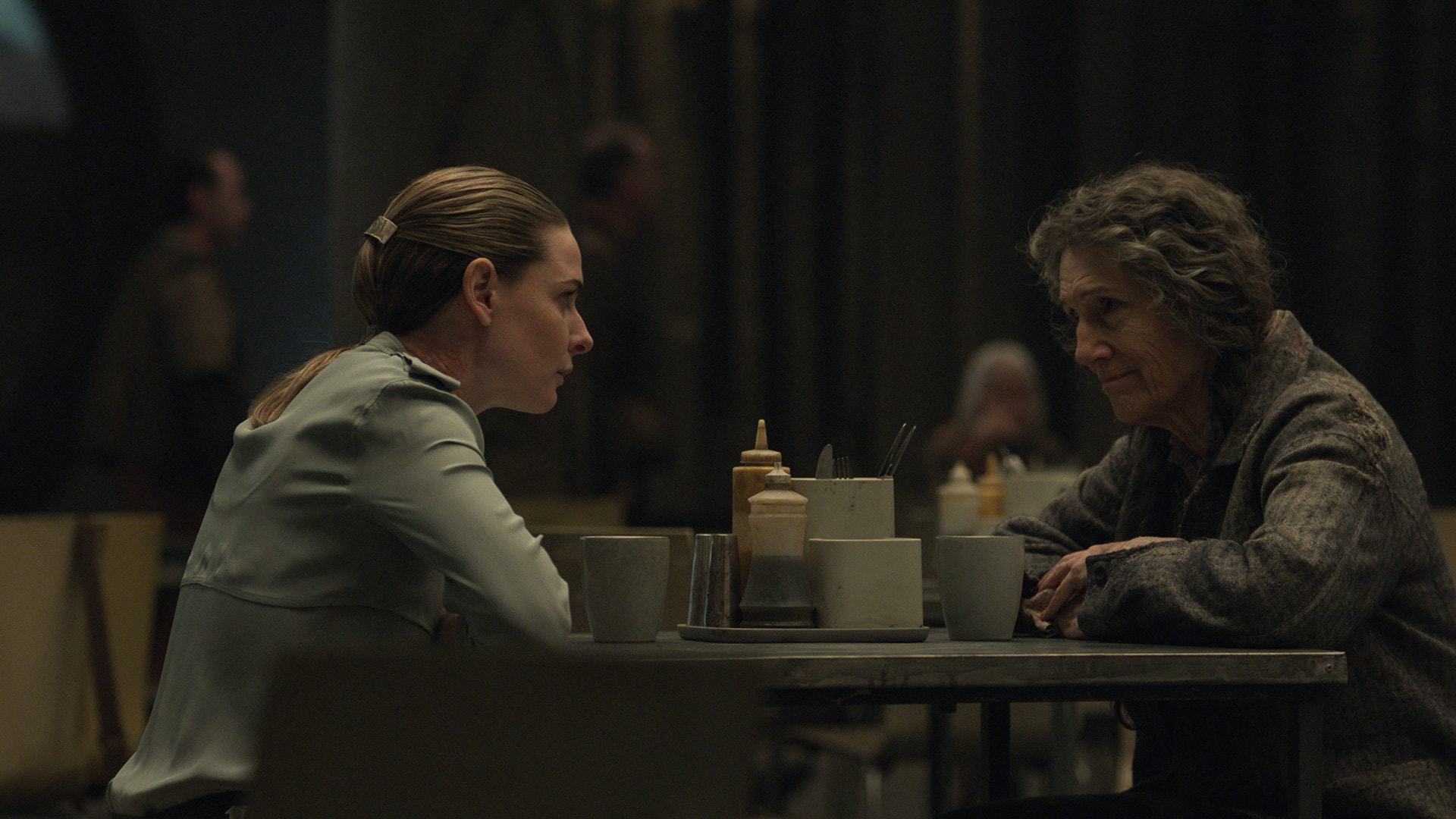
Rebecca Ferguson and Harriet Walter in “Silo,” now streaming on Apple TV
What I appreciate most is that “Silo” doesn’t rush these discoveries. Instead, the writers slowly peel back another layer of the mystery, allowing viewers to connect the dots alongside Juliette.
It’s incredibly satisfying storytelling.
The Before Times Become Essential
If you were wondering whether the Washington, D.C. storyline would remain a side plot, Episode 2 quickly answers that question.
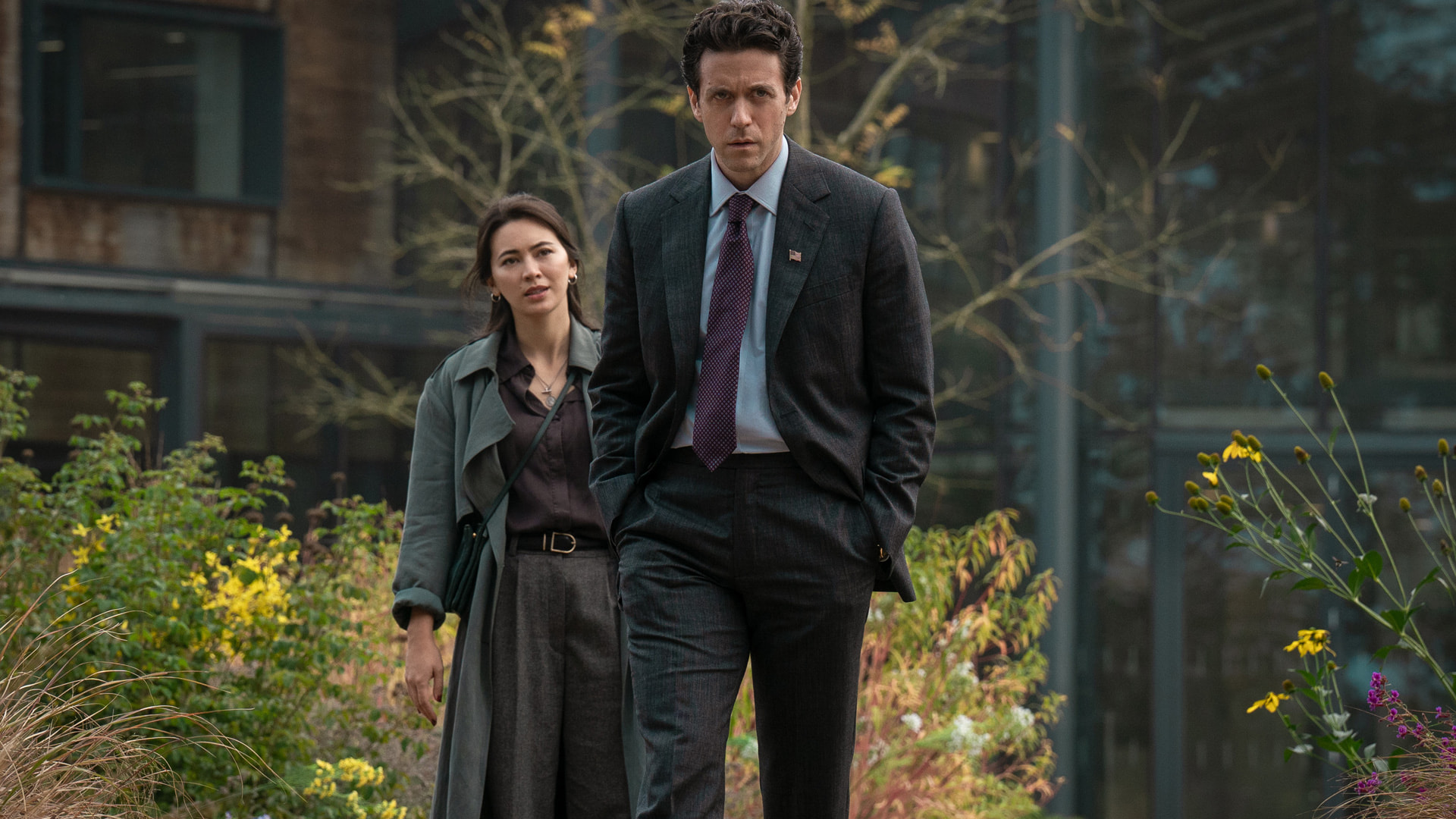
Jessica Henwick and Ashley Zukerman in “Silo,” now streaming on Apple TV
The Before Times scenes are no longer simply world-building. They’re becoming essential to understanding what’s happening inside the silo.
Without giving away too much, we learn considerably more about experimental memory research and the ethical questions surrounding it. These scenes were some of the most fascinating in the episode because they suggest that technology capable of altering memories existed long before anyone stepped inside a silo.
Rather than relying on science fiction spectacle, these moments focus on morality. Just because something can be done… Should it?
Rebecca Ferguson Continues to Shine
Rebecca Ferguson once again delivers an outstanding performance. Much of Juliette’s journey this week isn’t driven by action but by uncertainty. Watching her struggle to distinguish genuine memories from carefully constructed narratives creates some of the episode’s most emotional moments. You genuinely feel her frustration.
As viewers, we’re searching for the truth alongside her.
One of My Favorite Themes So Far
More than anything else, I’m fascinated by what “Silo” is saying about memory. Throughout the episode I kept asking myself: Are our memories what make us who we are?
Or are we simply the stories we’ve been told about ourselves? That’s an incredibly powerful idea. Both the past and present storylines seem to be exploring this question from different perspectives, and the parallels between them become even more noticeable this week.
Production Design Continues to Impress
One thing I continue to appreciate is how much the production design communicates without dialogue. The contrast between leadership and the working class becomes even more pronounced this week. Every location, costume, and living space quietly reinforces the growing divide between those with power and those expected to follow. It’s subtle visual storytelling at its best.
Spoiler Zone!
One revelation early in the episode confirms that memory suppression isn’t merely a theory—it’s something certain people believe can be controlled with remarkable precision.
Meanwhile, Juliette begins questioning more of what she’s been told, and every recovered fragment of memory pushes her closer to uncovering a much larger conspiracy.
In the Before Times storyline, Charlotte’s condition mirrors Juliette’s in increasingly compelling ways. Watching both women struggle to recover pieces of themselves creates one of the strongest emotional connections between the two timelines so far.
By the end of the episode, it becomes clear that remembering the truth may be far more dangerous than forgetting it.
Final Thoughts
Episode 2 convinced me that “Silo” isn’t simply telling a story about survival anymore. It’s telling a story about identity. About history. About who controls information—and ultimately, who controls reality.
Watching this episode, I couldn’t help drawing parallels to our own world, where we’re constantly sorting through competing narratives, misinformation, and questions about whom to trust. Silo doesn’t preach or offer easy answers. Instead, it explores timeless questions about truth, memory, and power through compelling characters and masterful storytelling.
Every episode seems to reveal another piece of the puzzle while reminding us how much remains hidden.
That’s exactly why I can’t stop watching.
Questions I’m Still Asking
- Can memories ever truly be erased?
- Why do the Before Times and the present continue to mirror each other?
- Who ultimately decides what version of history survives?
- Is remembering the truth more dangerous than never knowing it?
One thing is certain: “Silo” Season 3 continues to be one of the smartest and most thought-provoking shows on television.




[…] 3, “A Dark Web,” raises the stakes in spectacular fashion. The episode deepens the conspiracy surrounding Daniel Keane’s sister Charlotte, reveals shocking new information about Juliette […]